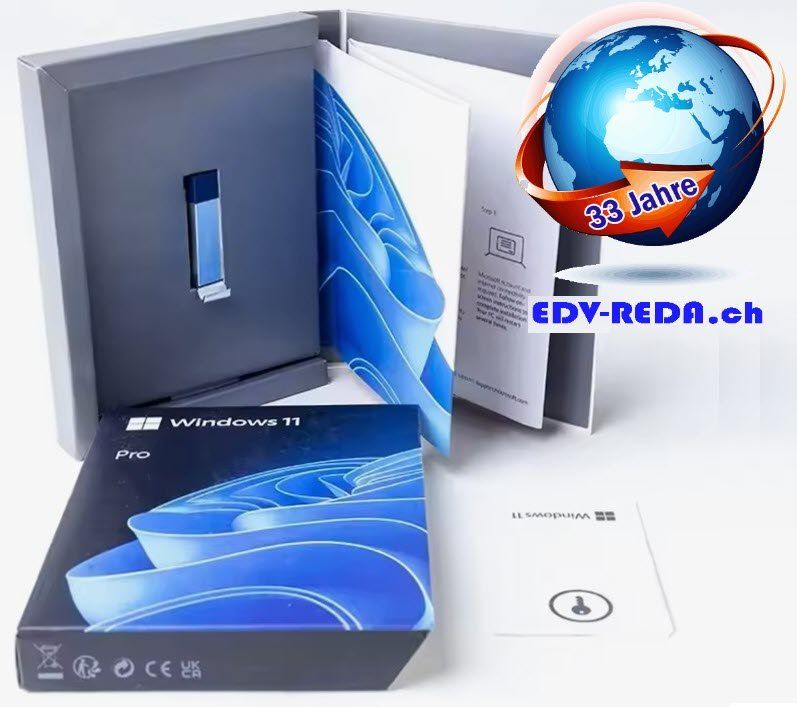
20 GREAT PIECES OF ADVICE FOR SELECTING OFFICE LICENSE KAUFEN PROVIDERS
This Guide Will Assist You To Upgrade To Windows 8 And Office 365.
Windows 7 was no longer supported, and that meant the end of the age of software that was licensed. For individuals and businesses clinging to `windows 7`, the upgrade path to Windows 11 is not a simple re-installation–it’s a migration to a fundamentally different digital paradigm. The new paradigm encompasses everything from the way Windows 11 lizenz is purchased to the way Office functions and how users work. Cloud-integrated licenses, digital licenses and protection across the ecosystem have replaced the world of single-time purchases, physical media and isolated software suites. In order to navigate this transition you must understand the ten intersections that are present between traditional practices and current necessities. The decisions you make about your OS will have an influence on the productivity suites as well as security capabilities and future scalability.
1. Hardware Gauntlet – Your first essential, non-negotiable first step
Before you even think about `windows 11 kaufen`, you need to be aware of the Windows 11 hardware requirements (TPM 2.0, Secure Boot Modern CPU). This test will fail on many Windows 7 machines, particularly those that are older than 2017. This isn’t just an excuse for a Microsoft cash grab; it’s also a security necessity. These functions form the “hardware root of trust” that modern security tools such as Windows Defender and even third-party software like kaspersky premium are based on. The use of unofficial ISO mods creates an unstable and unsupportable system, which nullifies all the security benefits that the upgrade provides. You are left with a greater risk of vulnerability than in Windows 7.
2. License Migration Myth: Windows 7 Keys are (mostly), obsolete.
In the past it was possible to utilize an activation key for Windows 7 Pro. Windows 7 Pro activation key to activate Windows 10. Windows 11 has effectively ended the grace period. If your current Windows 7 license is not up-to-date, it will have no value in upgrading Windows 11 on the same hardware. That means you’re starting from scratch. This means the quest for Windows 11 license is a totally new purchase. This means you have to start from scratch and understand the new landscape of OEM/Retail.
3. The Office Licensing Revolution – From Standalone Licensing to Ecosystem.
You’re likely to have an office lizenz, when you’re running Office 2010 on Windows 7. Office 2021 (the modern equivalent) is an outdated product since day one. It gets security updates, but has no new features. Microsoft 365 is the upgrade way to increase productivity. This shift is profound that you’re no longer just upgrading Office; you’re adopting an identity cloud (Azure AD) and 1TB of OneDrive storage, and also enabling real-time collaboration. It’s time to reconsider your previous practice of purchasing office licenses once every decade to make room for a constant operational cost that includes upgrades and services.
4. Security is not an afterthought. It’s time to change the mindset.
Windows 7 likely had a strategy that included a third-party antivirus suite, similar to the Norton 360 version of. Windows 11 is a game changer. Windows Security (Defender), the security tool built-in to Windows 11 is now cloud-integrated, and top-of-the-line. Installing an older third-party suite could cause conflicts and performance problems. Upgrades are the ideal time to evaluate. Do you need a separate security suite, such as Kaspersky Premium required, or will Defender as well as the latest hardware features suffice? The answers will vary based on your threat model. But the idea that you have to purchase an antivirus program separately is no longer true.
5. The Clean Install Imperative and Data Migration Strategy
It is not advised to upgrade Windows 7 in place to Windows 11. This can cause you to go into instability. This must be an entirely new installation. This procedure requires disciplined data transfer. It’s time to move away from local drives to the cloud. A Microsoft 365 subscription includes OneDrive and the ability to configure Known Folder Move (to back up Desktop, Documents, Pictures) in the setup process transforms your data migration from being a manual task to a seamless, ongoing cloud-synched process. Your data moves from being PC-locked to users-centric.
6. The Professional Feature Crossroads – Pro is the new minimum.
Windows 11 Pro must be purchased if Windows 7 Professional was used for BitLocker hosting Domain joining, Remote Desktop, or BitLocker. The Windows Home key is a major error that can cripple any professional or business use. Home isn’t able join domains and doesn’t have BitLocker encryption. It also lacks a Group Policy Editor. Windows 11 Pro is only available as an Microsoft 365 Business or Retail license for Windows 7 Pro users. This allows them to retain their professional features as well as data security.
7. Beware Grey Market Sirens During Transition.
Many are driven to purchase low-cost windows11 OEM license keys on the black market due to their urgency to upgrade. It is a mistake that can have devastating consequences in the process of a system change. These keys will not work and you’ll be left with an unreliable foundation, just when you’re required to construct the system. Making the investment of a valid Retail License or a subscription that includes Windows such as Microsoft 365 Business provides peace-of-mind and direct support as well a guarantee of an upgrade path in the future. A grey-market key costs you time and data if it’s removed.
8. Future-Proofing with the Cloud Future-proofing with the Cloud: The Server Connection.
Windows 7 machines that were part of domain networks could be replaced by a server such as windows 2025. Windows 11 Pro and a knowledge of “cals” (Client access licenses) are required for the modern day integration. Azure Active Directory is a cloud alternative that comes included with Microsoft 365 Business. After you have upgraded to Windows 7, it’s time to make the decision. Do you continue to invest in servers, CALs and cloud-based device management (Intune) or do you switch to a subscription-based service? The licensing structure and cost for each of these options are different.
9. Driver Archaeology: The Need for an Modern Hardware Base
Windows 7 thrived on a vast library of legacy drivers. Windows 11 relies primarily on modern, cloud-based drivers that are available through Windows Update. Windows 7 is often the only device that is compatible with specific hardware. Upgrade evaluations must include an exhaustive test of compatibility with the hardware. An actual upgrade usually requires the purchase of new hardware. Choosing a PC running Windows 11 with an OEM license is the most efficient and most stable alternative.
10. A Shift in Philosophies From Ownership, to Management and Access.
The final decision to upgrade to Windows 10 represents an ethos shift. To upgrade from Windows 7, you have to either sign up for an ongoing service that is regularly updated or purchase a digital licence with strict transfer regulations. Your security strategy shifts from an antivirus that can be installed on your computer or a system that has integrated hardware. Data shifts from local storage to cloud-based storage. Making use of a Microsoft 365 subscription and a valid Windows 11 Pro licence, as well as embracing modern security, is the only way to guarantee that the upgrade won’t just bring a fresh OS but also a durable, manageable, and modern computing foundation for the coming decade. Follow the top rated windows 11 lizenz for blog examples including ms office 2016, microsoft office with key, windows server software, windows office, microsoft 365 key, windows & office, ms office 2019, outlook software download, visio download, micro soft outlook and more.
Software Bundles Are They Worth It? Norton 360 Office Deals – A Comparison.
It is easy to be tempted by a software package, such as one that includes norton360 and a Microsoft office license. These deals, which are often available when purchasing a new computer or from the major retailers are a promise of savings and convenience at a glance. Bundles are often advertised with huge discounts. However, their true value is found not in their price but rather in the analysis of licensing options, overlap in features, and the suitability of the bundles to your specific digital ecosystem. Bundles that combine the monthly subscription of a security service with a perpetual licence causes an incompatibility between the product lifecycle and the management. To assess the benefits of these bundles, you need to take off the layers to understand how the deals are compatible with your current operating system, your upgrade path away from older software (like windows 7) and also with your larger needs of centralized management or for integration with other services (like windows 2025). Here are the ten detailed elements that will determine if an offer is a strategic match or a trap to be avoided.
1. The main difference between perpetual licenses and subscriptions.
License model conflicts are the main flaw in most of the Norton360 + Office bundles. Norton 360 is a recurring annual subscription. The office license is usually a permanent license for a particular year version (e.g. Office 2021). The Office suite has a static time frame until the time you upgrade to a newer version, which usually 5+ years after. The “savings” offer, which are only available for a single time will lock you into an ongoing Office suite, and do not reduce the price of your Norton subscription. It’s an unbundled package and not a fully integrated product.
2. Bundles tend to hide the “Which Office?” Question.
The word Office is ambiguous. Is it referring to the complete Office Professional suite or to the Office Home & Student version (which is not as powerful and does not include Outlook in addition to being restricted to commercial use)? Microsoft Office may be advertised as a bundle, however it may only include the Home and Student version. It is not suitable for business use. Before you can evaluate the bundle, it is essential to verify the SKU. A bundle that does not include Home & Student that does not include Outlook email is not worth valuing.
3. The legitimacy of your Windows license is vital.
Both Norton 360 and Microsoft Office depend on a reliable, stable fully up-to-date Windows operating system to function effectively. If your computer runs an untested Windows OEM key you bought from an online marketplace known as windows lizenz, the integrity of your system is compromised. If you have a compromised OS, security suites or productivity software are built on the sand. If the platform that is the basis of the bundle isn’t reliable, or in danger of being disabled, which could cause licensing issues for both of the products, the value of the bundle is reduced.
4. Windows 11: Conflicts and Redundancies with built-in security
Windows Defender is a cloud-based secure and robust security system that is included in Windows 11. Norton 360 can create feature conflicts and cross-overs. The bundle may force you to run and purchase a security suite that you don’t require. It’s crucial to begin with a review of the threat model as well as the behavior of users. Would the built-in Defender suffice or do you need Norton’s additional features (such such as password management, VPN, or dark web monitoring)? Bundles usually assume the latter without questioning.
5. The “Upgrade Windows 7” context: A potential short-term bridge.
In the case of a user who is finally transitioning from `windows 7` the bundle may provide a temporary benefit in terms of logistics. It includes a recognizable security software, Norton, and an upgraded Office version. This eases the shock of the transition. This is a shortsighted solution. It doesn’t take into consideration the current concept of Microsoft 365, which would offer continuously up-to-date Office and more secure features (through Defender for Endpoint in higher plans) all in one easily user-friendly subscription. The bundle might assist users in moving away from Windows 7, but it may also force them to an outdated version (perpetual Office).
6. Management Overhead: The Anti-Synergy.
Even for small businesses, having distinct Norton 360 and Office licenses creates a lot of administrative burden. There isn’t one management console. Norton renewal dates must be monitored independently. Office installations are managed by hand. You also have to navigate through two portals for vendors. Microsoft 365 Business Premium subscriptions control security, Office apps, identity and advanced policies through a central administrator area. The perceived savings of the bundle are quickly diminished by the increase in IT cost of labor.
7. Isolation of Perpetual Office as due to the absence of the Cloud Ecosystem.
This permanent “office license” is an island. It does not offer OneDrive cloud storage, Microsoft Teams, or the co-authoring and collaborative features in real-time that define modern work. It is only an application for desktops. Bundled with Norton the security suite might have its own cloud-based backup. It’s an inconsistent user experience. You’re paying for two separate, non-communicating stacks when a single subscription (M365) could integrate them seamlessly.
8. The Kaspersky premium’s alternative method: an alternative to Kaspersky.
Kaspersky Premium is not as often bundled with Office than Norton. It’s a contender in the field of security. The benefit of this product is in its superior heuristic detector and minimal impact on the system, making it appealing to those who are power users. In evaluating Norton+Office, the question is: “Would my needs be better served if I purchased an ongoing subscription to Office and then paired it with another security suite such as Kaspersky? The bundle doesn’t allow you to make this decision.
9. Zero Integration with Advanced Infrastructure (Windows Server, Cals).
These consumer/business-consumer bundles exist in a silo completely separate from organizational IT infrastructure. These bundles do not provide the possibility of a “windows 2025” environment, nor do they provide the required cals. They cannot be controlled by Group Policy. They are intended for smaller or single offices. This bundle will be an expensive waste if you are planning to expand your business and need a formal server.
10. The cost of strategic Subscription vs. Bundle Pricing.
To determine the real value, perform a 3-year total Cost of Ownership (TCO) analysis. Bundle: One-time price bundle + (Norton360 annual subscription 3) plus cost of Office perpetual licenses for 2026. Compare: Microsoft 365 Business Basic/Premium = (Monthly subscription 36 months). Subscriptions usually include up-to-date Office software, 1TB OneDrive Cloud Storage, Business Email and advanced Security/Management tools. The bundle’s upfront “discount” typically disappears after this timeframe, while locking you into less functional or difficult-to-manage software. The bundle’s “value” is often an illusion, especially for those who need more than just basic isolated computing. Read the recommended office lizenz kaufen for blog advice including microsoft office download, key 365 office, microsoft office software key, microsoft office key, microsoft 365 key, microsoft office key, microsoft office 2019, key 365 office, visio download, product keys and more.